
Casinos That Accept Google Pay in Australia: what actually works in 2026
 Available in AU
Type “casinos that accept Google Pay Australia” into search and you get two kinds of page. One insists Google Pay casinos are everywhere. The other says they’re banned outright. Both are half right, and neither tells you what happens when you actually pull out your phone to deposit.
Here’s the short version. No online casino holds an Australian licence, so every real-money site an Aussie can reach is offshore. Google Pay is not a cashier button on any of them. What it does is wrap the Visa or Mastercard already sitting in your Android wallet and fund an ordinary card deposit. So the real question isn’t “which casinos accept Google Pay” — it’s “which casinos accept the card that Google Pay is standing in front of.” That distinction changes everything about how you deposit, whether the payment clears, and how you get your money back out.
This is the map. Where the Google Pay tap actually goes through, which offshore operators take it, what the deposit really costs you, and the one legal Australian option where Google Pay is a genuine, native payment choice rather than a card in a trench coat.
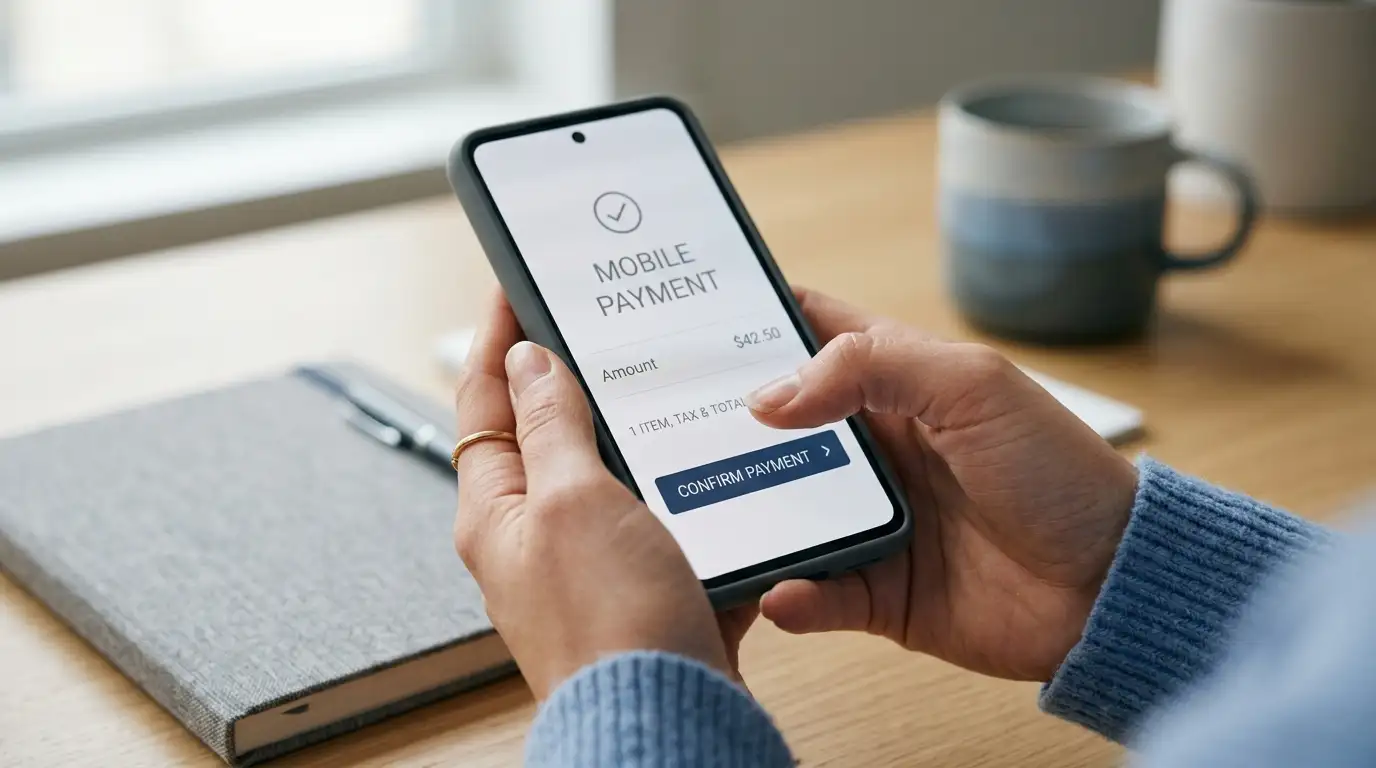
How Google Pay actually works at an Aussie online casino
Google Pay doesn’t move your money. It never touches it. When you tap to pay, the transaction runs straight between the merchant and the bank that issued your card — Google’s own Australian help pages say as much, and so does every issuer FAQ. The wallet stores a tokenised version of your Visa or Mastercard, hands over a one-time cryptogram instead of your real card number, and steps out of the way. Convenient. Fast. But at its core it is still a card payment.
That single fact explains the whole topic. A casino “accepts Google Pay” only if it accepts the underlying card. There is no Google Pay balance, no Google-Pay-to-casino transfer, no separate rail. When an offshore site lists Visa and Mastercard at the cashier, you can usually fund that deposit by choosing your card from the Google Pay sheet on your Android phone. When a site doesn’t take cards at all, Google Pay is dead on arrival, no matter how many wallets you’ve loaded.
So Google Pay inherits everything a card deposit carries — including the parts you’d rather it didn’t. Card limits apply. Foreign-transaction handling applies. And, crucially for anyone depositing at an offshore casino from an Australian bank, issuer gambling blocks apply. The tap feels like a modern wallet payment, but the plumbing behind it is the same card rail your bank has been watching for years. Keep that in mind and the rest of this makes sense; forget it and you’ll wonder why a “wallet” payment behaves exactly like the card you were trying to avoid.
It helps to contrast this with how Google Pay behaves in the two other places Australians meet it. On regulated US casinos it sometimes autofills a stored card and nothing more. On sweepstakes sites — Roo Vegas being the local example — it buys coin bundles directly, acting as a genuine wallet checkout. At offshore real-money casinos it’s the card-wrapper version: same button, entirely different job. The label “Google Pay casino” flattens three distinct mechanics into one phrase, which is exactly why so many players arrive expecting a slick wallet payment and find a card transaction wearing its jacket. Knowing which of the three you’re dealing with tells you what to expect before you ever reach the cashier.
There’s also a security upside worth naming, because it’s real rather than marketing. The token Google Pay hands the casino isn’t your card number — it’s a device-specific proxy backed by a one-time cryptogram. If the offshore site’s systems were ever compromised, the data it holds on you is a token that’s useless anywhere else, not your actual PAN. That doesn’t make the casino trustworthy, and it doesn’t stop your bank blocking the payment, but it does mean the deposit method itself leaks less about you than typing the card in by hand. Small comfort, but a genuine one.
Can you actually use Google Pay at online casinos in Australia?
Yes, but indirectly. At offshore casinos Google Pay funds a Visa or Mastercard deposit rather than acting as a standalone wallet, so it works wherever card deposits work. It is never a separate cashier option, and it is deposit-side only. Whether a given payment clears depends on your card issuer, not on the casino.

Are Google Pay casinos legal in Australia?
Short answer: there is no such thing as a licensed Google Pay casino in Australia, because there is no such thing as a licensed online casino in Australia. The Interactive Gambling Act 2001 makes it an offence to provide online casino and pokies gambling to people located here. Not to play it — to provide it. The law aims at the operator, not the punter at home on the couch. That’s why you won’t find a single Aussie-licensed site: the licence simply cannot be issued for online casino play, and it never has been.
The regulator is ACMA, the Australian Communications and Media Authority. Since the 2017 amendments sharpened the Act, ACMA has leaned harder on enforcement — it can push for offshore sites to be blocked at the internet-provider level and refer matters on. What it can’t do is hand out an online casino licence, because Parliament didn’t build that door. So every real-money casino that takes your Google Pay-funded deposit is offshore, most of them licensed in Curaçao, and increasingly under newer jurisdictions like the Tobique Gaming Commission.
Here’s the tell that makes the whole thing click. Open Google Play in Australia and you can download a licensed sportsbook app, sign in, and place a bet in minutes. Search for a real-money online casino app and you’ll come up empty. Same store, same country, opposite result. Sports betting can be licensed at the state level, so those apps are legal and listed. Online casinos can’t be licensed at all, so they’re absent by design. That asymmetry — betting apps welcome, casino apps banished — is the clearest picture of Australian gambling law you’ll ever get from a phone screen.
The distinction runs deeper than the app store, and it’s worth understanding because it shapes everything about how you deposit. Wagering on sport and racing is carved out and licensable; the “gaming” side — pokies, roulette, blackjack, the whole casino floor — is the part the Act shuts down for online provision. So a licensed Australian bookmaker can build a polished app, take your Google Pay directly, and pay you back the same way, all above board. An online casino can do none of that from within Australia. The two live under the same broad law but on opposite sides of a single line, and Google Pay’s behaviour tracks that line exactly: native and clean on the licensed side, a card workaround on the offshore side.
The Curaçao licence that most of these casinos hold is the practical consequence. It’s a real gambling licence, just not an Australian one, and its regime was reorganised from 2023 under a central Curaçao gaming authority tightening what was once a famously loose framework. The newer Tobique Gaming Commission licences appearing on brands like NeoSpin and Stay Casino in 2026 are part of the same churn — operators shifting to jurisdictions that suit them commercially. For you, the takeaway is simple: an offshore licence means the site answers to someone, somewhere, but that someone isn’t in Australia and won’t be taking your call if a dispute goes sideways.
Playing at an offshore site isn’t what the Act targets, and Australians do it in large numbers. But “not targeted” is not the same as “protected.” There’s no local ombudsman to call when a withdrawal stalls, no Australian regulator standing behind the operator’s terms, and no guarantee your bank will even let the card payment through. You’re trading the convenience of a familiar wallet for a site that answers to a regulator on the other side of the planet. Worth knowing before you tap, not after.
Is a Google Pay online casino legal in Australia?
No online casino is licensed in Australia, so a domestically licensed Google Pay casino doesn’t exist. The Interactive Gambling Act 2001 bans providing online casino services to Australians and targets operators, not players. Every real-money site accepting a Google Pay-funded deposit is offshore, typically licensed in Curaçao or a similar jurisdiction, with no local consumer recourse.
Are there any Australian-licensed casinos that take Google Pay?
None. Australia issues no online casino licences, so there is no licensed local operator to take Google Pay or any other method. The only sites reachable for real-money casino play are offshore. The single Australian-facing exception is the sweepstakes model, which is a different product entirely and is covered further down.

The casinos that take a Google Pay deposit right now
Every operator below accepts Visa and Mastercard, which is what makes a Google Pay tap possible — the wallet just fronts the card. Five are offshore real-money casinos; the sixth, Roo Vegas, is the legal Australian sweepstakes route where Google Pay is a native option rather than a card stand-in. Bonus figures across this market are notoriously inflated and inconsistent from page to page, so treat every headline number as “advertised up to,” check the current terms at the cashier, and never assume the biggest number is the best deal. The comparison table sits just below these write-ups.
One more thing worth flagging before the list. Two of these brands — NeoSpin and Stay Casino — were visibly moving their licensing off Curaçao and onto the Tobique Gaming Commission through 2026, both showing the same Tobique licence number, which points to a shared operator group. Licence migrations mid-year aren’t unusual in this market, but they’re a reminder that the entity behind the logo can change while the site looks identical.
Ricky Casino
Ricky Casino is one of the longest-running names aimed squarely at Australians, operated by Dama N.V. on the SOFTSWISS platform and licensed in Curaçao since its 2021 launch. It leans hard into pokies, carrying somewhere in the range of three to four thousand titles from more than forty studios, and runs a native cashier that takes PayID, POLi, Neosurf, Visa, Mastercard and crypto. Because the card option is there, a Google Pay-funded deposit goes through the same door.
What sets Ricky apart is the sheer depth of its welcome ladder — a package advertised up to around A$7,500 with roughly 550 free spins, stretched across ten separate deposits. That structure sounds generous and, read carefully, tells you something honest: the money is doled out in slices, each with its own wagering, so the headline total is a marathon, not a gift. If you want a big-brand offshore site with a long track record and a card cashier that plays nicely with Google Pay, Ricky is the default name for a reason. Just read the ten-deposit fine print before you get misty-eyed about the total.
NeoSpin
NeoSpin launched in 2022 and built its reputation on payout speed, with crypto withdrawals frequently landing inside one to three hours — quick by offshore standards. Its ownership is a moving target: older records tie it to Hollycorn N.V. under a Curaçao licence, while 2026 records show it operating as Metlait SRL under the Tobique Gaming Commission, licence 0000064. The cashier runs PayID, POLi, cards and crypto, so the card line again makes it Google Pay-fundable, and the pokie catalogue is one of the larger ones around, drawing from well over a hundred studios.
Wagering on its offers most consistently sits at 40x, which is on the friendlier side of a market that often pushes 50x. The catch worth naming: that fast payout everyone quotes is a crypto figure, not a Google Pay one. You can deposit with a Google Pay-fronted card, but the money coming back rides a different rail entirely. NeoSpin suits players who value a speedy cash-out and a big library and don’t mind that the entity on the footer has been changing address.
Wild Tokyo
Wild Tokyo is the maximalist of the group. A neutral review attributes its operation to Altacore N.V. under a Curaçao licence, and behind the Japanese-cyberpunk styling sits a genuinely enormous catalogue — north of 8,000 games with more than 300 live dealer tables, the biggest live offering here by a wide margin. Cards, Skrill, Neteller and crypto all appear at the cashier, with PayID on the Australian-facing pages, so a Google Pay card deposit slots right in.
The welcome deal runs as a three-part package, quoted around 250% up to €3,000 plus 600 free spins on the neutral source, with Australian pages localising the figure to roughly A$5,000. Wagering there is cited at 45x. Beyond the sign-up, Wild Tokyo keeps players around with a rewards shop and cashback advertised up to 20% — a “cashback” that, like all cashback, is the house handing back a sliver of what it already took. If you want the widest possible game selection and a live-casino floor that doesn’t quit, this is the pick. Bring patience for the KYC check on withdrawal; it’s the most common gripe.
Casinonic
Casinonic is the elder statesman here, live since 2019 and, like Ricky, operated by Dama N.V. out of Curaçao. That longevity is its main selling point — in a market where brands appear and vanish inside a year, a site that’s kept the lights on for over half a decade has at least survived contact with reality. The library is more modest at 2,000-plus titles, with NetEnt, Pragmatic Play and Blueprint among the studios, and the cashier covers cards, crypto and PayID, so the Google Pay-on-a-card route is open.
The welcome offer runs 100% up to A$500 on the first deposit, then 50% matches across deposits two through ten, with the total package advertised up to around A$5,000 and wagering reported at 50x. One honest caution: at least one review flags Casinonic’s fiat withdrawals as slow, with crypto being the faster way out. So the profile is a long-established, card-friendly site with a smaller catalogue and a payout process that rewards patience — or a crypto wallet. Fine for players who value track record over library size.
Stay Casino
Stay Casino, live since 2021, is the one to beat on terms. Its wagering sits at 40x — the lowest of this group — and reviewers repeatedly put it at the top of the Google Pay-capable offshore pack for exactly that reason: cleaner conditions mean more of a win survives the playthrough. It runs a native AUD cashier with instant PayID, plus cards and crypto, so a Google Pay card deposit is straightforward and settles in your own currency without a conversion detour.
Ownership, like NeoSpin’s, has been in transit: from Hollycorn N.V. under Curaçao to Metlait SRL under the Tobique Gaming Commission, with a site footer dated 30 July 2026 confirming the move and carrying the same Tobique licence number as NeoSpin. The library is large at 5,200-plus games from 30-plus providers including Pragmatic Play and Play’n GO. If your priority is keeping wagering low and depositing in Australian dollars without card-conversion friction, Stay Casino is the sharpest option on this list. The licence shuffle is the one asterisk.
Roo Vegas — the legal, native-Google-Pay alternative
Here’s the site where Google Pay is finally a real, native payment option rather than a card in disguise. Roo Vegas, operated by Zoom Net Services LTD out of Cyprus and launched in December 2025, is a sweepstakes casino — not a real-money offshore site. It needs no gambling licence because it doesn’t run gambling in the legal sense. Instead it uses two currencies: Roo Coins, which are play-only, and Spin Coins, which can be redeemed for prizes. Google Pay slots in to buy optional coin bundles and to receive Spin Coin prize redemptions.
That makes it a fundamentally different animal from the five sites above. There’s no real-money deposit, no PayID or crypto cashier, and no wagering-on-a-deposit maths — you play with coins, and any purchase is optional. The trade-off is obvious: it’s legal and Google Pay works natively, but it isn’t the high-stakes offshore pokies experience some players are hunting for. Roo Vegas is aimed at Australians in states like Queensland, Victoria, Western Australia and Tasmania, and it’s the honest answer for anyone who wants Google Pay to work the way it works everywhere else — as a genuine wallet, not a workaround. Whether the sweepstakes format scratches your itch is a separate question entirely.
Comparison at a glance
The write-ups above carry the detail; this table is the quick scan. Read it left to right when you want the shape of a site in five seconds, then go back up for the parts that matter to you.
| Operator | Licence | Withdrawal speed | Minimum deposit | Distinguishing feature |
|---|---|---|---|---|
| Ricky Casino | Curaçao (Dama N.V.) | Crypto fast, PayID slower | ~A$20–30 | Deepest bonus ladder, ten-deposit package |
| NeoSpin | Tobique (Metlait SRL, ex-Curaçao) | Crypto ~1–3 hours | ~A$30 | Fast crypto payouts, 40x wagering |
| Wild Tokyo | Curaçao (Altacore N.V.) | Fast crypto, KYC checks | ~A$30 | 8,000+ games, 300+ live tables |
| Casinonic | Curaçao (Dama N.V.) | Crypto fast, fiat slow | ~A$20 | Oldest brand here, live since 2019 |
| Stay Casino | Tobique (Metlait SRL, ex-Curaçao) | Instant PayID, crypto fast | ~A$20–30 | Lowest wagering at 40x, native AUD |
| Roo Vegas | Sweepstakes (no gambling licence) | Prize redemption model | No real-money deposit | Native Google Pay for coin purchases |
How a Google Pay-capable casino earns its place
A shortlist is only as good as the filter behind it, so here’s the reasoning that put these six in and kept a hundred others out. The first gate is boring and non-negotiable: does the site take card deposits at all? No cards, no Google Pay — the wallet has nothing to wrap. That alone eliminates the crypto-only sites and the PayID-purist operators, however good they might be on other fronts. Every name above clears that bar, which is the whole reason it’s on the page.
The second filter is the licence, and here the honesty has to be blunt. None of these are Australian-licensed, because none can be. So the question isn’t “is it licensed at home” but “is the offshore licence one that actually means something.” A Curaçao licence under a long-established entity like Dama N.V. carries more weight than a paper permit from a jurisdiction with no enforcement pulse. The 2026 shift toward the Tobique Gaming Commission that NeoSpin and Stay Casino are riding is worth watching precisely because a newer regime’s teeth are still being tested. A licence is a floor, not a guarantee — it tells you someone can theoretically be held to account, not that they always will be.
Payout reality is the third and arguably most important gate. A generous deposit flow means nothing if the money won’t come back out, so withdrawal speed, the routes on offer, and the KYC friction all carry heavy weight. This is where Google Pay’s limits matter most: since you can’t be paid out to it, a site’s real value hinges on whether its crypto or PayID cash-out is quick and clean. Stay Casino and NeoSpin score well here; Casinonic’s slow fiat payouts are the kind of thing that drops a site down the order even when everything else looks fine.
After that come the softer factors — wagering terms, library size, the aesthetic, the extras. They matter, but they’re tiebreakers, not deciding votes. A site with a huge catalogue and a heavy 50x wagering requirement loses to a leaner one at 40x more often than not, because the terms decide how much of a win you keep. Track record counts too: a brand that’s kept paying for five years has earned a benefit of the doubt that a two-month-old launch simply hasn’t. Weigh cards first, licence and payouts next, and the shiny stuff last, and the list more or less sorts itself.
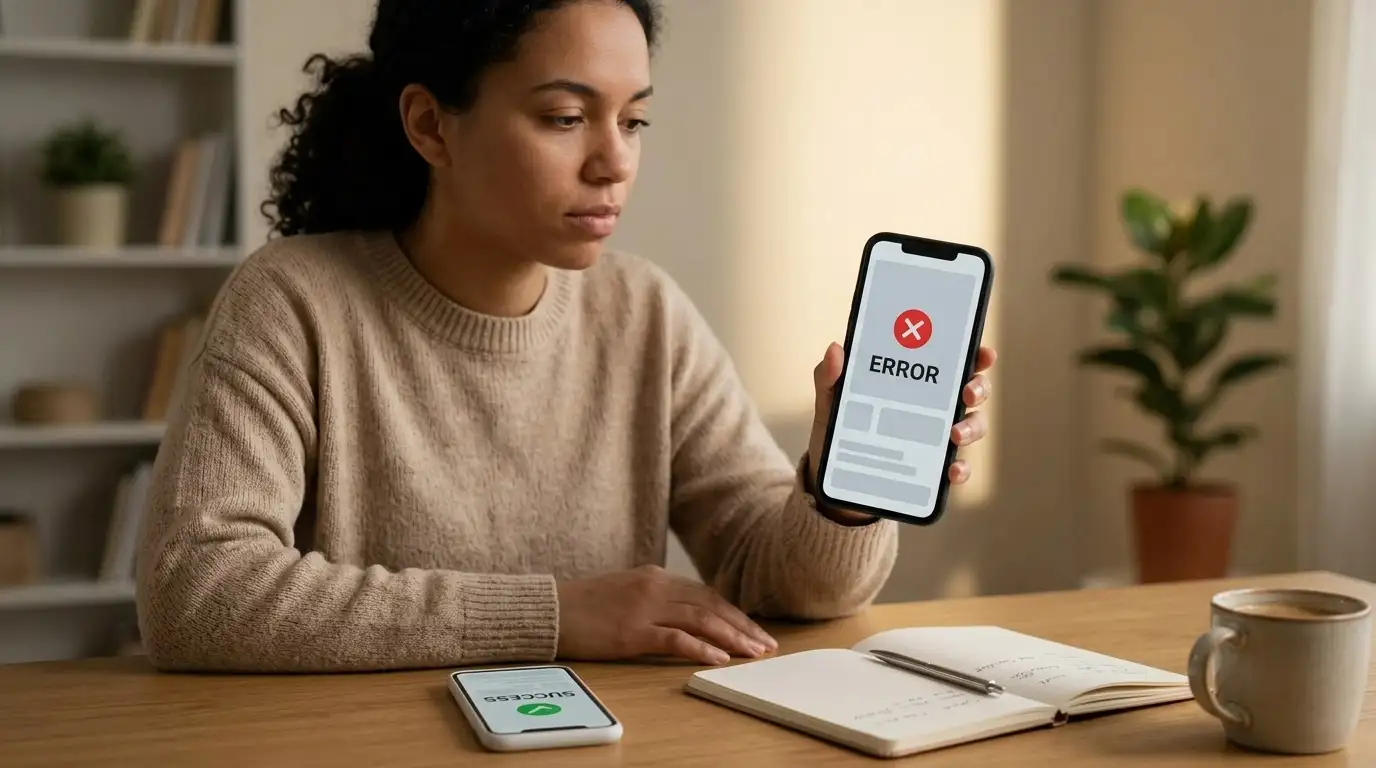
Making the deposit — step by step, and what to do when the bank says no
The mechanics are simple once you accept that you’re really making a card payment. On your Android phone, open the casino cashier, choose the Visa or Mastercard option, and when the payment sheet appears, pick the card you’ve saved in Google Pay. Authenticate with your fingerprint or PIN, confirm the amount, and the deposit posts to your balance in seconds. No card number typed, no long form, just a tap. On desktop the wallet doesn’t help you — Google Pay is a mobile play — so cards or PayID are your entry there.
Now the part the glossy pages skip. Australian banks routinely decline Visa and Mastercard payments to offshore gambling merchants, and because Google Pay is riding that exact card rail, a decline hits it just as hard as a manually typed card. The transaction can bounce for reasons that have nothing to do with your balance: the issuer flags the merchant category, the payment gets coded as gambling, and the bank quietly says no. You’ll see a generic error at the cashier and no clear reason why. It’s not the casino rejecting you and it’s not Google Pay failing — it’s your own bank doing what it’s increasingly built to do.
This is why PayID has quietly taken over the Australian deposit page. It runs on the New Payments Platform, moves money bank-to-bank against an email or mobile number, and never presents itself to your card issuer as a gambling transaction — so the card-block problem never arises. If your Google Pay tap gets knocked back, PayID is the reliable fallback at every site on the list above, and it’s usually instant. The pragmatic play is to keep Google Pay for the speed when it works and treat PayID as the safety net for when your bank decides to play chaperone. Two methods, one goal, and no drama when the first one stalls.
If you want to give the Google Pay tap its best shot at clearing, a few things tilt the odds. A debit card linked to a challenger or digital-first bank tends to block offshore gambling merchants less aggressively than the big four’s default settings, though nothing is guaranteed and this shifts constantly. Keeping the deposit modest on a first attempt also helps — large card payments to unfamiliar overseas merchants are exactly what fraud systems are tuned to stop. And if a payment does bounce, don’t hammer the button; repeated declines in a row can flag the card for a manual review that locks you out of trying anything for a while. One clean attempt, and if it fails, straight to PayID.
The deeper reason to have a backup ready is that card acceptance at offshore casinos is genuinely unstable. A site’s card processor can work one week and drop out the next as banking relationships shift on the operator’s side — nothing to do with you or your issuer. Regulars at these casinos treat cards, and therefore Google Pay, as the fast option that sometimes disappears, and PayID as the rail that’s simply always there. Building your account around that reality from day one saves the frustration of discovering it at the worst possible moment, mid-deposit, with a game you wanted to play sitting one failed tap away.
What is the minimum deposit with Google Pay at these casinos?
Because Google Pay just funds a card deposit, the minimum is the site’s ordinary card minimum — typically around A$20 to A$30 at the offshore operators listed here. There is no special “Google Pay tier.” Queries about $5 or $10 Google Pay deposits usually run into that A$20-ish floor, so treat the low-dollar promises with healthy suspicion.
Why did my Google Pay casino deposit get declined?
Almost always the card issuer, not the casino. Australian banks frequently block Visa and Mastercard payments to offshore gambling merchants, and Google Pay uses that same card rail, so the block applies. You’ll see a vague cashier error. The fix is PayID, which moves bank-to-bank on the New Payments Platform and doesn’t trigger card-scheme gambling blocks.

Getting paid — why you can’t cash out to Google Pay
Let’s kill the myth that props up half the searches in this space. There is no such thing as an instant Google Pay withdrawal at these casinos, because there is no Google Pay withdrawal at all. Google Pay is a deposit-side wrapper. It fronts a card going in; it has no mechanism for money coming out. The phrase “instant Google Pay withdrawal casino” describes a product that doesn’t exist, however many pages rank for it. Anyone promising a payout straight to your Google Pay wallet is selling you a fiction.
What actually happens on the way out is a different rail entirely. Crypto is the fastest, often clearing in an hour or a few — it’s the figure operators quote when they advertise “fast payouts,” and it’s why NeoSpin and Stay Casino get praised for speed. PayID is the quickest fiat route, landing bank-to-bank in your Australian account, sometimes within hours. Bank transfers and older methods lag further behind, and a first withdrawal almost always triggers a KYC identity check that adds a day or two before anything moves. Casinonic’s fiat payouts, for one, are flagged as slow enough that regulars just use crypto.
There’s a second trap hiding in the pending period. Most offshore sites hold a withdrawal in “pending” for a stretch — sometimes hours, sometimes a full day — during which you can cancel it and shove the money back into play. That’s not a courtesy; it’s a designed temptation, and it’s where a lot of winnings quietly die. A win you’ve decided to bank should be withdrawn immediately and, ideally, to a rail that clears fast enough to put it out of reach before the itch returns. Crypto and PayID both do that job; a slow bank transfer leaves the funds cancellable for longer, which is the opposite of what you want when you’re trying to walk away with something.
So plan your exit before your entry. If a quick cash-out matters, set up either a crypto wallet or PayID at the account stage, clear the KYC verification early so it isn’t a surprise later, and forget the idea that the wallet you deposited with will be the wallet you’re paid into. Deposit with Google Pay if it clears; withdraw with whatever the site actually supports. Treating those as the same channel is the mistake that leaves people refreshing a pending-withdrawal screen and blaming the wrong culprit.
Can I withdraw my winnings to Google Pay?
No. Google Pay is a deposit-side card wrapper with no payout function at these casinos, so winnings never come back to it. Withdrawals go by crypto (fastest, often under an hour), PayID (quick bank-to-bank in AUD), or bank transfer (slowest). A first payout usually needs KYC verification, which adds a short delay before funds move.

Pokies, live tables and the games you’ll actually play
How you funded the account has zero effect on what you can play once the balance lands. A Google Pay-funded deposit spends exactly like a PayID or crypto one — the money is just money by the time it hits your balance. Pokies dominate the offshore catalogues, running from a couple of thousand titles at Casinonic to north of 8,000 at Wild Tokyo, drawing on studios like Pragmatic Play, NetEnt, Play’n GO, BGaming, Nolimit City and Big Time Gaming, whose Megaways engine powers a chunk of the high-volatility shelf.
One genuinely useful thing to know, because almost no one spells it out: the same pokie can be configured with different return-to-player settings by different operators. A title advertised at a headline RTP on the studio’s spec sheet might run a lower version at one casino than another. The reels look identical, the maths underneath isn’t, and there’s no banner announcing the difference. If you play a specific game seriously, it’s worth checking the RTP in that casino’s game info panel rather than assuming the number you saw somewhere else carries over.
Beyond pokies, the live-dealer floors are where the offshore sites separate themselves — Wild Tokyo’s 300-plus tables at the top end — covering roulette, blackjack, baccarat and the game-show formats. Table games, video poker, crash titles and scratch cards round out the lobbies. Crash games in particular have surged with the same crowd that funds by wallet and crypto: fast rounds, a rising multiplier, and a cash-out button that rewards nerve over patience. They suit the tap-and-go rhythm of mobile play, which is where most Google Pay deposits happen in the first place.
A quick word on what your deposit size buys you in game terms. Fund A$20 or A$30 — the realistic minimum at these sites — and pokie stakes scale down to match; most modern titles run happily from a few cents a spin, so a small balance stretches across a decent session rather than evaporating on the first few pulls. Live tables are the exception, since dealer games carry higher table minimums that can chew through a small deposit fast. If you’re depositing light via Google Pay to test a site, the pokie lobby is where that money lasts; the live floor is where it doesn’t. Match the game to the balance and the funding method becomes irrelevant to how long you actually get to play.
The short version below maps how each category behaves once you’ve funded with a Google Pay card deposit; the funding method never restricts the game menu, only the getting-in and getting-out.
| Game type | Play with a Google Pay-funded balance | Notes |
|---|---|---|
| Pokies (slots) | Yes | The bulk of every catalogue; RTP can vary by operator |
| Live dealer | Yes | Roulette, blackjack, baccarat, game shows; Wild Tokyo deepest |
| Table games | Yes | Digital roulette, blackjack, poker variants |
| Crash games | Yes | Popular fast-round format on most sites |
| Video poker | Yes | Smaller shelf, present at most operators |
Bonuses, free spins and the “no deposit” small print
Bonus headlines in this market are theatre. A package “up to A$7,500” isn’t a cheque waiting for you; it’s a ceiling you’d only approach by making the maximum deposit on every one of ten stages, each carrying its own wagering. Run the maths on a typical offer and the picture sharpens fast. Take a 100% match up to A$500 at 50x wagering: deposit A$500, get A$500 bonus, and you must wager A$25,000 before a withdrawal is allowed. That’s not a trick — it’s just how the arithmetic works — but the number on the banner and the number you’ll realistically clear are different animals.
The word “free” deserves the same scrutiny. Free spins are rarely free of strings; winnings from them usually carry their own playthrough, and the “no deposit bonus” that gets so many searches is typically a small amount with steep wagering and a low cash-out cap, structured so the house keeps the odds firmly on its side. A casino is not a charity, and the promotions team is not your mate — every “gift” is a customer-acquisition cost with terms attached, calculated to bring in more than it gives away. That’s fine, as long as you read it that way.
The practical filter is wagering, not headline size. Stay Casino’s 40x beats a flashier package sitting at 50x more often than not, because a lower multiplier means more of any win actually survives to your balance. Free spins are worth having when they’re genuinely no-strings, which is rare, and worth ignoring when the playthrough eats the value. Read the multiplier, the maximum bet allowed while wagering, the game weightings and the cash-out cap before the total in bold. The best bonus is the one you can actually clear, not the one with the most zeros.
Two clauses cost more players their winnings than the wagering multiplier itself, and both hide in plain sight. The first is the maximum bet allowed while a bonus is active — often a couple of dollars a spin. Breach it once, even by accident, and many sites void the entire bonus and everything won from it, no warning, no appeal. The second is the maximum cash-out on a no-deposit or free-spins offer: you might clear the wagering on a A$50 balance only to find the terms cap your withdrawal at A$50 regardless of what you actually won. Both clauses are designed to look harmless in a wall of small print, and both are why the “no deposit bonus” that pulls so much search traffic is closer to a demo than a windfall.
There’s a funding angle here too, because it changes which bonuses you can even claim. If your Google Pay card deposit keeps bouncing and you switch to PayID, check that the offer applies to your actual deposit method — some packages exclude certain rails, and a mismatch means no bonus credited at all. It’s a small thing that catches people who assume the promotion is universal. Read which methods qualify before you deposit, not after, and match your funding choice to the offer you’re chasing rather than the other way around.
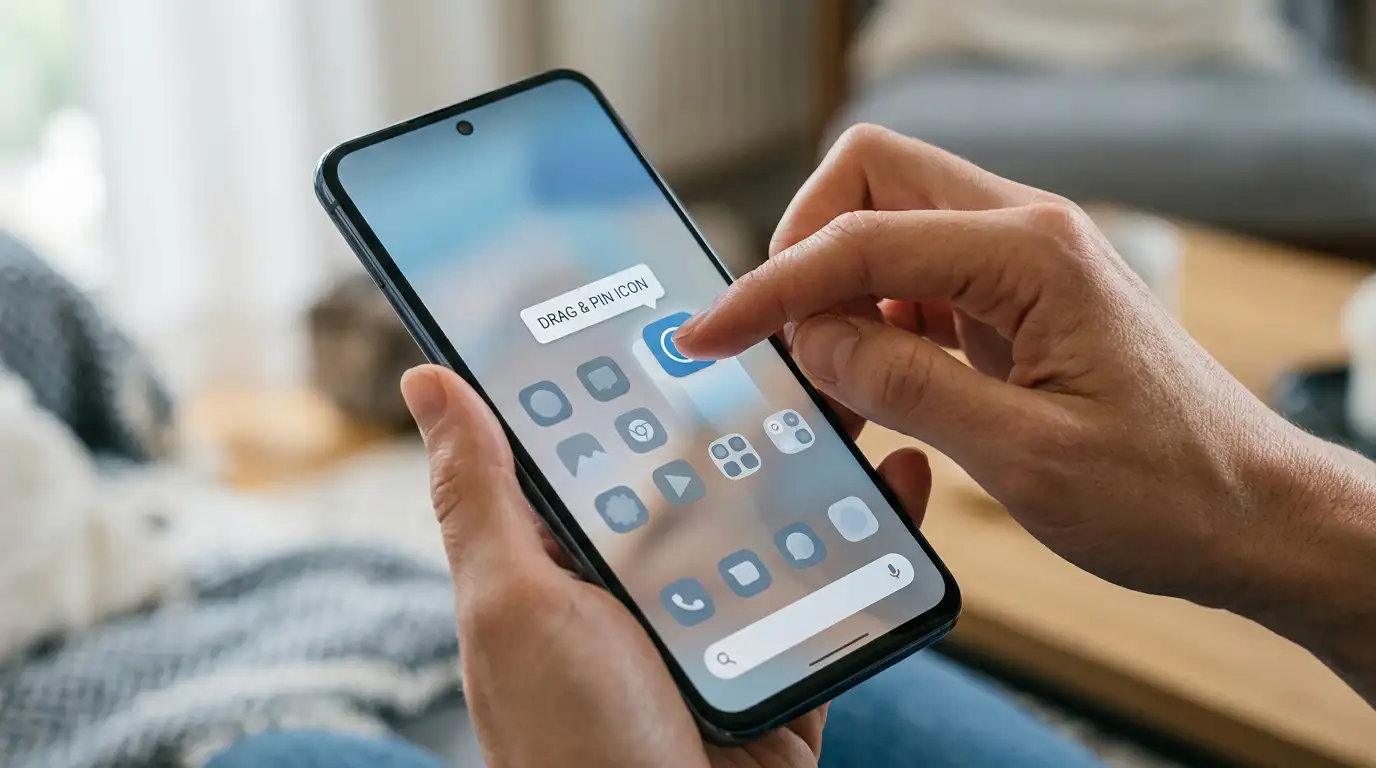
New Google Pay pokies and mobile play
New offshore casinos launch aimed at Australia constantly, and 2026 has an added wrinkle: some arrive already mid-migration between licensing jurisdictions, which is how you end up with a fresh-looking brand whose footer names a Costa Rican entity under a Tobique licence. A new site can mean sharper software and a bigger sign-up offer, but newness cuts both ways — no track record, no history of paying out, and nothing to check beyond the launch-week marketing. Treat a brand-new casino the way you’d treat a restaurant that opened yesterday: maybe great, but you’re the test diner.
On mobile, remember there is no app to download. Because Google Play in Australia won’t list real-money casino apps, everything runs in the phone browser, sometimes dressed up as a progressive web app you can pin to your home screen. That browser-based reality is actually where Google Pay shines, since the wallet is built for exactly this kind of mobile checkout — the tap-to-deposit flow is smoothest on the same Android phone holding your cards. The absence of a native app isn’t a red flag here; it’s the law working as designed, and the browser experience on modern sites is close enough that most players won’t miss the icon.
Is Google Pay safe to use for casino deposits?
The payment layer is sound: Google Pay tokenises your card and never shares the real number with the casino, so the merchant sees a token, not your details. The risk isn’t Google Pay — it’s the offshore site behind the deposit. You get no Australian consumer protection, so vet the operator’s licence, payout record and terms before funding, and treat the wallet’s security as separate from the casino’s trustworthiness.
Playing it sensibly
None of this works if the fun stops being fun. Offshore sites give you no Australian safety net, so the guardrails are the ones you set yourself: a deposit limit you decide before you play, a session clock, and money you can afford to lose without it mattering. Set those at the account stage while you’re clear-headed, not at 1am chasing a loss.
The wallet convenience cuts against you here, and it’s worth being honest about. A payment method that clears in one fingerprint tap removes the friction that used to make you pause — no card number to fetch, no form to fill, just tap and it’s done. That smoothness is the point of Google Pay, and it’s also exactly what makes topping up again a little too easy when you’re down. If a method feels frictionless, add your own friction: a hard deposit cap set in the account tools, or simply removing the card from your wallet so the next deposit takes deliberate effort rather than a reflex. The tools most offshore sites offer are thinner than a licensed local operator’s would be, so lean on your bank’s own gambling-block feature and your phone’s screen-time limits to fill the gap.
If gambling stops feeling like entertainment, free confidential support is available through Gambling Help Online on 1800 858 858, any hour of any day. The house edge is real and permanent; the only winning move over time is treating the whole thing as paid entertainment, not a plan. Deposit what a night out costs, expect it gone, and anything that comes back is a bonus in the only sense of the word that isn’t attached to wagering terms.
Casino Deposit Methods Australia 2026 — Compared
Content created by the «PokiePay» team