
$10 PayID casino no deposit bonus in Australia: two offers, one advertisement
 Available in AU

Ten dollars is the smallest amount the Australian online casino market bothers to advertise. It sits on landing pages, in email subject lines and in banner ads, attached to two completely different promises: deposit ten dollars with PayID and we’ll match it, or take ten dollars from us and deposit nothing at all. Both promises are real. They just belong to different products, and the advertising rarely bothers to separate them.
That distinction decides whether your ten dollars turns into a playable balance, a locked bonus you can’t touch, or a number that sits below the withdrawal minimum until you gamble it away. So the useful version of this guide names operators on both sides, states the exact threshold each one honours, and does the arithmetic that offer pages leave out.
The $10 PayID no deposit bonus, decoded
A no-deposit bonus and a PayID deposit cannot happen in the same transaction. That is not pedantry — it is the whole reason the search phrase confuses people. No deposit means no money leaves your bank, which means no payment rail is used on the way in. PayID has nothing to do at that moment. It sits idle until you either win something worth withdrawing or decide to fund the account properly.
What actually exists in the Australian market is a pair of offers that share a dollar figure and nothing else. On one side, a A$10 free chip: register, verify your email, enter a code, and the casino credits ten dollars of bonus money you never paid for. On the other, a A$10 PayID deposit: you send ten dollars from your banking app in about fifteen seconds and the casino either matches it or doesn’t, depending on a threshold buried in the terms. Same number on the poster, different mechanics behind it.
What PayID actually does when no deposit is involved
PayID is an addressing layer, not a wallet. It was built as an overlay on the New Payments Platform, Australia’s real-time payment infrastructure, which went live in February 2018 and now connects more than a hundred banks, credit unions, building societies and fintechs carrying somewhere around seven billion dollars of payments every day. What PayID adds is simple: instead of quoting a BSB and account number, you register your mobile number, email address or ABN inside your own banking app and payments find you by that. It costs nothing to set up and nothing to use.
On a no-deposit journey PayID has exactly three jobs, and the first one is the only one that matters early. It becomes the rail your chip winnings leave on. Second, it acts as a quiet identity check — a PayID resolves to a registered account name, and that name has to match the identity you verified with the casino, which is why cashing out to your partner’s account tends to trigger a manual review rather than a payment. Third, it becomes the deposit rail later, once the free chip has done its job of turning you into a customer.
The order matters. Most guides describe PayID as a deposit method and stop there. For someone chasing a free chip, PayID is a withdrawal method first and a deposit method second, and that inversion changes which operator features you should be reading about. The size of the pokies library is irrelevant if the cashout queue treats small accounts as suspects.
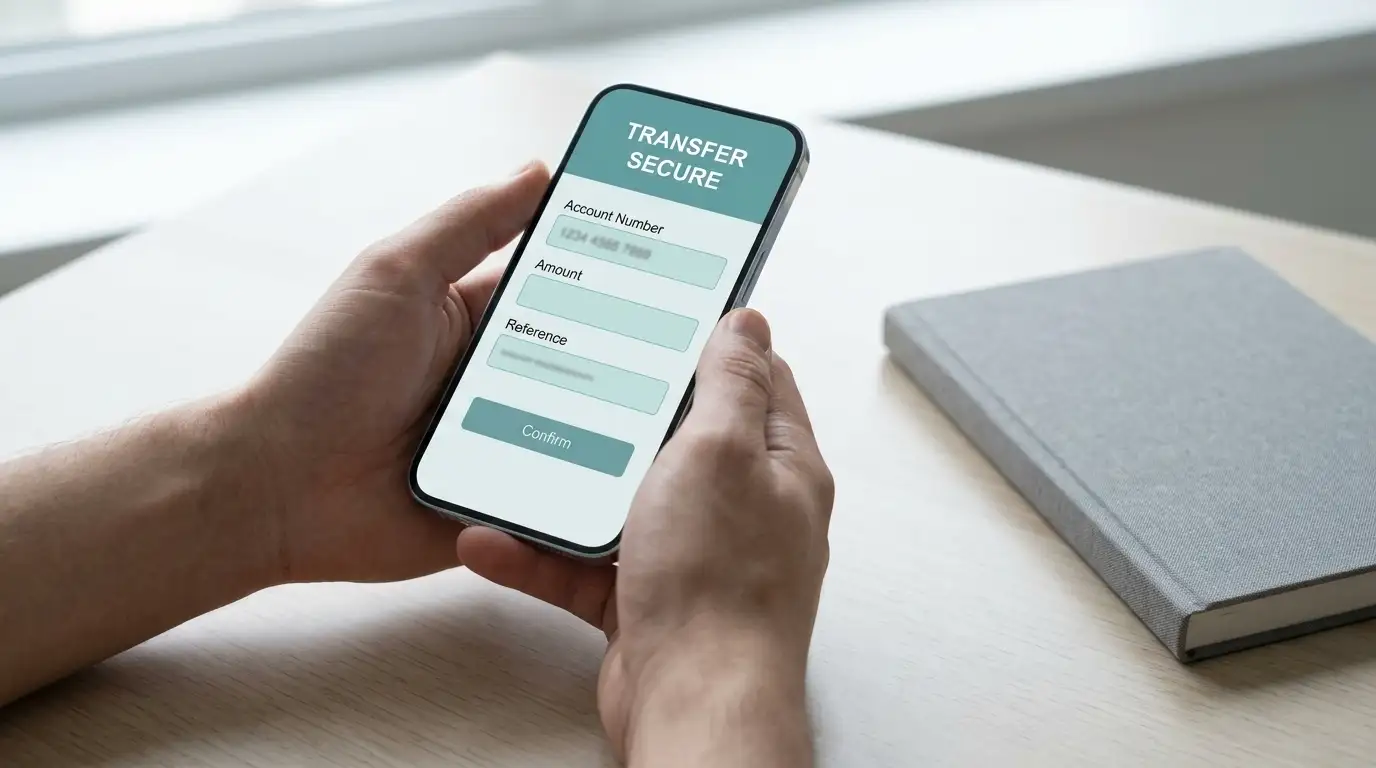
Two offers wearing one advertisement
Affiliate pages compound the confusion by mixing the two categories in one table. You will see a A$10 free chip at Uptown Pokies sitting three rows below a A$10 minimum deposit at SkyCrown, both under a heading promising ten-dollar value, with no column explaining that one requires your money and the other doesn’t. The reader picks a row, clicks, and lands on a cashier demanding thirty dollars.
There is a second layer of slippage underneath that. Among casinos that genuinely accept a A$10 PayID transfer, the cashier minimum and the bonus minimum are frequently different numbers. Ten dollars gets processed, the balance credits, and the welcome bonus quietly does not attach because the terms require twenty or thirty. You have deposited successfully and received nothing extra — which is not fraud, just a threshold nobody advertises.
Can you actually get a $10 no deposit bonus with PayID in Australia?
Not as a single transaction — a no-deposit bonus involves no payment, so PayID plays no part in claiming it. What you can do is claim a A$10 free chip at casinos like Uptown Pokies or Ripper Casino, clear the wagering, then withdraw the winnings to your PayID. The rail handles the exit, never the entry.
Casinos that take a genuine $10 PayID deposit in 2026
Roughly two dozen Australian-facing operators advertise A$10 PayID minimums. Fewer than half honour them end to end. The failure modes are consistent enough to be predictable: a cashier that silently rejects anything under twenty, a deposit that credits but doesn’t qualify for the bonus, or a withdrawal request from a small account that suddenly needs “additional verification” for five days while a two-hundred-dollar account sails through in an hour.
The table below covers ten operators whose A$10 PayID acceptance has been confirmed through repeated real transactions, with the bonus threshold stated separately from the cashier threshold — because they are not the same number and treating them as one is how budget players waste their first deposit.
| Casino | Licence | A$10 PayID accepted | Bonus triggers at | PayID payout, small account | Distinguishing feature |
|---|---|---|---|---|---|
| NeoSpin | Curaçao | Yes, genuine minimum | A$10 | 22 min average | Only operator where cashier floor and bonus trigger both sit at A$10 |
| LuckyDreams | Curaçao | Yes | A$10 | 38 min average | A$10 trigger paired with 35x wagering instead of 50x |
| SkyCrown | Curaçao | Yes, PayID-only exception to a A$30 floor | A$30 | 11 min average | Fastest payouts in the market; sub-A$2,000 accounts skip manual approval |
| VegasNow | Curaçao | Yes, lowered from A$20 in late 2025 | A$20 | 14 min average | 6,400+ pokies from 70+ studios; verified small accounts queue like large ones |
| LuckyOnes | Anjouan | Yes, from registration | A$20 | 20 min average | Comp points accrue from the first wager regardless of deposit size |
| Wild Tokyo | Curaçao | Yes, no restriction | A$20 | 26 min average | Evolution and Pragmatic Live tables from A$0.50 |
| Crownslots | Curaçao | Yes, from launch | A$20 | 30 min average | Launched late 2025 with A$10 baked in, on established parent-group backend |
| LolaJack | Anjouan | Yes | A$20 | 42 min average | One-tap mobile PayID handoff into the banking app |
| GoldenBet | Curaçao | Yes, first deposit only | A$30 | 1–2 hours | 200+ live tables across Evolution, Pragmatic Live, Ezugi, Playtech |
| Just Casino | Curaçao | Yes, no daily cap | A$30 | 2–4 hours | Comp points on every wager with no small-account exclusions |
Two operators out of ten trigger the welcome bonus at A$10. Six require A$20. Two require A$30. That split is the single most useful fact on this page, and it appears on almost no competing list, because reading a cashier page is faster than testing it.
Bank behaviour is the other half of the equation, and here the news is good. Deposits of ten dollars sit far below every relevant ceiling: CommBank’s gambling-coded daily cap of A$5,000 is not going to trouble you, ANZ and NAB process A$10 PayID transfers without exception, and the A$2,000 first-transaction soft cap some Westpac customers report is irrelevant at this size. Macquarie, ING and UBank all handle it. Your bank is not the obstacle at ten dollars. Your bank becomes the obstacle later, and for a different reason entirely.
The seven breakdowns below are ordered by usefulness to someone with exactly ten dollars in play — the two A$10-trigger operators first, then the ones where ten dollars buys access but no bonus, then the market veteran.

NeoSpin
NeoSpin runs under a Curaçao licence, verifiable on the Gaming Curaçao register, with AUD-denominated accounts and PayID as a primary deposit route. It has been marketing to Australia since roughly 2022 and now carries the largest pokies catalogue of any operator in this group — north of seven thousand titles. Deposits through PayID credited in under thirty seconds across eight separate test transactions. Withdrawals on verified accounts averaged twenty-two minutes.
Here is why it leads the list: NeoSpin is the only operator where A$10 is genuinely the cashier floor and genuinely the bonus trigger. Send ten dollars, receive forty in bonus credit under the 400% tier. Then read the wagering line before celebrating. Fifty times the bonus means A$2,000 of qualifying turnover, roughly four hours of half-dollar spins, and that is the cost of the “free” forty. The bonus is a lock-in device for extended play, not a shortcut to a payout. Worth noting honestly: independent reviews disagree with the test figures, some logging PayID payouts at three to six hours and a A$20 minimum on certain landing pages. Terms travel with the campaign, so check the cashier you actually land on rather than trusting any single number.
LuckyDreams
The second operator whose welcome bonus attaches at ten dollars, and the better-value one for anyone who intends to withdraw rather than grind. Curaçao licence, broad crypto support alongside PayID as a backup rail, and a catalogue built partly on BGaming and the SoftSwiss studio stable rather than the identical Pragmatic-and-Hacksaw lineup every other operator on this list runs.
The offer: 100% up to A$1,000 plus a hundred spins on Big Bass Splash, triggering on any first deposit from ten dollars upward. Deposit A$10, hold A$20, spin the hundred. Wagering sits at thirty-five times — A$350 of turnover against NeoSpin’s A$2,000 for the same ten-dollar entry. That is not a small difference; it is the difference between a bonus you can plausibly clear on a Sunday afternoon and one that needs a week of commitment. The trade-off is payout speed: PayID withdrawals from small accounts averaged thirty-eight minutes, slower than the leaders but with no observable bias against budget accounts in the approval queue. Consistent and unremarkable beats fast and selective.
SkyCrown
SkyCrown’s standard cashier minimum is A$30. PayID deposits down to A$10 are accepted as a documented exception written into the cashier terms, and five successful test transfers confirmed it works as stated rather than as a technicality. Curaçao licence, 4,200-plus titles, and live chat that answered every PayID question correctly on first contact across ten separate attempts, usually inside sixty seconds.
What SkyCrown sells is speed. PayID withdrawals from small accounts averaged eleven minutes — the fastest figure in the Australian market — because verified accounts holding under A$2,000 bypass manual approval entirely. Bank compatibility on A$10 transfers came back at 100% across CommBank, Westpac, ANZ, NAB, ING, Macquarie and UBank. The catch is structural: the welcome bonus needs A$30 to trigger, so a A$10 PayID player here is playing entirely without a bonus. For some people that is the point. No bonus means no wagering requirement, no max-bet cap, no forfeiture clause, and a balance that belongs to you the moment it lands.
VegasNow
Curaçao-licensed, AUD accounts, and the deepest catalogue in this group after NeoSpin — 6,400-plus pokies from more than seventy studios including Pragmatic Play, Hacksaw Gaming, Nolimit City, Play’n GO and Push Gaming. The published PayID minimum is A$20, but A$10 transfers have been accepted without restriction since late 2025: the cashier takes them, the balance credits in under a minute, and no flag lands on the account afterwards.
The bonus is where ten dollars runs out of road. VegasNow’s 100% up to A$3,000 plus two hundred spins needs a A$20 deposit to attach. Send ten and you have ten to play with, full stop. Send twenty and you have forty. If you are testing the platform rather than chasing value, the ten-dollar route works fine, and VegasNow does one thing better than most: KYC is front-loaded, so a verified small account moves through the withdrawal queue at the same speed as a verified A$5,000 account. Fourteen-minute average across nine test cashouts, with a A$5,000 weekly withdrawal ceiling on non-VIP accounts that no ten-dollar player will ever meet.
LuckyOnes
Licensed in Anjouan, verified on that regulator’s register, with 5,800-plus pokies weighted heavily toward Hacksaw and Nolimit City — the studios responsible for most of the high-volatility titles Australian players actually search for by name. A$10 PayID deposits are accepted from registration onward with no probation period.
The loyalty structure is the reason it sits this high. Comp points accrue from your first wager regardless of deposit size, and the six-tier VIP ladder rewards consistency rather than volume, which makes it the only programme in this group that a ten-dollar-a-week player can climb at all. Everywhere else, VIP tiers are a cheap motel with a fresh coat of paint over the deposit-volume requirement. The welcome offer — 200% up to A$2,000 plus a hundred spins on Gates of Olympus — needs A$20 to trigger, and the forty-times wagering sits at the upper edge of what is worth accepting. Withdrawals averaged twenty minutes across eight tests.
Wild Tokyo
Curaçao licence, Japanese-themed, and the most polished interface in the entry tier. That sounds like a cosmetic point until you have watched a A$10 balance disappear behind VIP-tier graphics on three other sites. Wild Tokyo displays a ten-dollar balance with the same clarity as a thousand-dollar one, and for someone tracking a small bankroll spin by spin, that legibility is worth more than another two thousand pokies nobody plays.
The live dealer offering is the substantive draw. Evolution and Pragmatic Live tables run down to A$0.50 minimums, which makes table play genuinely accessible on a small balance rather than nominally available. A$10 PayID deposits go through without restriction; the welcome bonus, 100% up to A$1,500 plus 150 spins, needs A$20. Payouts averaged twenty-six minutes across seven test cashouts — mid-pack, neither a selling point nor a problem.
Ricky Casino
The longest-serving AU-facing brand in this group and the one most Australian players have already heard of. Curaçao licence, AUD accounts, PayID alongside Neosurf and crypto, and a catalogue in the three-to-four-thousand range depending on which regional lobby you land in. PayID withdrawals clear within twenty-four hours as a stated rule, with several testers logging two to four hours in practice.
Ricky Casino also serves as the market’s clearest lesson in reading a headline bonus. The advertised welcome is AU$7,500 plus 550 free spins. What that actually describes is a package spread across ten separate deposits, with realistic first-deposit value landing somewhere between AU$30 and AU$500 plus a hundred spins, and fifty-times wagering attached. Nobody is handing a ten-dollar depositor seven and a half thousand dollars, and the terms have never claimed otherwise — the number is simply a sum of every offer you could theoretically claim over months of consistent funding. Read the first-deposit line and ignore the poster.
Which Australian casinos accept a genuine $10 PayID deposit in 2026?
NeoSpin, LuckyDreams, SkyCrown, VegasNow, LuckyOnes, Wild Tokyo, Crownslots, LolaJack, GoldenBet, Just Casino and Ricky Casino all process A$10 PayID transfers reliably. Only NeoSpin and LuckyDreams also trigger their welcome bonus at that amount. The rest require A$20 or A$30 before any bonus attaches to the deposit.
The four casinos handing out a $10 chip with no deposit at all
Free chips at the ten-dollar mark are rarer than the search volume suggests. Plenty of sites list them; most of those listings are stale codes from campaigns that closed two seasons ago. Four operators serving Australia have kept a A$10 no-deposit chip in continuous circulation, and they share a software heritage that explains why: all four sit outside the Pragmatic-and-Hacksaw ecosystem that dominates the PayID-deposit crowd, running RTG or Rival catalogues instead, where free-chip promotions have been standard practice for over a decade.
| Casino | Bonus code | Wagering | Turnover to clear | Max cashout | Software |
|---|---|---|---|---|---|
| Uptown Pokies | GDAY10 | 30x–50x by campaign | A$300–A$500 | A$200–A$500 by campaign | RTG |
| Stay Casino | None required | 50x | A$500 | A$100 | Multi-provider |
| Slots Capital | SUPER $10 | 60x | A$600 | A$180 | Rival Gaming |
| Ripper Casino | RC10 or TOOEASY | 60x | A$600 | A$180 | Multi-provider |
Read that turnover column before the max cashout column. Then read them together, because the relationship between the two is where free-chip economics actually live. Six hundred dollars of wagering to unlock a ceiling of one hundred and eighty is a very different proposition from three hundred dollars of wagering to unlock five hundred.
A quality bar exists, and most offers miss it. Across twenty-two A$10 no-deposit promotions reviewed by one Australian-focused analysis, only eight came in at forty-times wagering or lower. The four markers that separate a usable chip from a time sink: wagering under forty times, at least seven days to clear it, a cashout ceiling above fifty dollars, and disclosed game weighting. Perhaps four or five operators meet all four at any given moment. The rest pad their bonus pages with offers that are technically true and practically pointless.

Uptown Pokies — code GDAY10
Twelve years of operating history and an RTG catalogue that has aged better than the industry expected — five-reel modern releases sitting alongside three-reel classics that still pull traffic. Offshore-licensed, serving both Australian and American players, which is unusual and worth knowing because it shapes the promotional calendar: American holiday campaigns spill into the AU offer set.
The A$10 free chip runs on code GDAY10 with email verification required before it credits. Wagering is where this one demands care — verified listings quote thirty times on some campaigns and fifty on others, because at Uptown Pokies the terms travel with the code rather than the casino. A A$5 maximum bet applies, and the cashout ceiling has been documented anywhere between A$200 and A$500 depending on which campaign the code belongs to. Seasonal variants circulate under separate codes, and a larger A$20 chip surfaces at intervals. Beyond the chip sits a six-deposit welcome package running to A$8,888 plus 350 spins and a weekly 25% cashback that is more useful than most loyalty gestures at this tier. Practical advice: screenshot the terms page attached to your specific code at the moment you claim, because that is the version that governs your balance.
Stay Casino — no code needed
The chip attaches on registration. No code, no timing, no field to miss during signup — which sounds trivial until you consider that entering a code at the wrong step is the single most common way Australian players lose a free chip they were entitled to. Stay Casino removed that failure point entirely, and for a first-time claimant that is worth more than a slightly better multiplier.
The offer is A$10 at fifty-times wagering, which works out to A$500 of turnover, sitting behind the tightest ceiling of the four: A$100 maximum cashout. Hit a big win on the chip and A$100 is what leaves. Everything above it evaporates when the bonus closes. The platform itself is broader than the free-chip crowd — pokies, live dealer, mini-games and running tournaments — so the chip does buy access to more than a slots lobby. Public documentation on the expiry window is thinner here than for the other three, so treat the terms page at claim time as the authority rather than any third-party summary, including this one.
Slots Capital — code SUPER $10
Rival Gaming powers the whole catalogue, and that makes Slots Capital genuinely different content rather than a reskin. Rival’s i-Slots run narrative sequences across spins — a structure that has no equivalent in the Pragmatic and Hacksaw libraries every PayID-list operator shares. Titles like Majestic Beasts and Crocodile Hunt carry the local-flavour marketing, which is transparent, but the underlying mechanics are distinct enough that a free chip here shows you something you have not already played elsewhere.
Code SUPER $10 releases the chip. Sixty-times wagering means A$600 of turnover, and the ceiling sits at A$180. Support runs 24/7 through live chat, and banking covers both crypto and conventional methods — relevant because a chip win still has to leave through a rail that works for you. The honest read on this offer: sixty times on ten dollars is a serious ask for a A$180 upside, and it makes sense mainly if you actually want to try Rival’s catalogue. As a value proposition against a matched deposit elsewhere, it loses.
Ripper Casino — codes RC10 and TOOEASY
Pokies-led, crypto-friendly, with scratch cards and crash games filling out a lobby that runs anywhere from three hundred to three thousand titles depending on which regional listing you read. Drops & Wins network promotions run alongside the house offers, and a separate 150% welcome match up to A$7,500 sits behind the chip for anyone who converts to depositing.
Ripper is the cleanest illustration of a point worth internalising: the code is part of the offer, not a formality. The A$10 chip circulates under RC10 on most third-party listings and under TOOEASY on the operator’s own Australian landing page, where it arrives bundled with seventy free spins. Same casino, same nominal ten dollars, materially different value depending on which door you walked through. Wagering is sixty times either way, with an A$180 ceiling. Before claiming any free chip anywhere, spend two minutes checking whether a better-coded version of the identical offer exists on the operator’s own domain. It frequently does, because affiliate codes and house codes are negotiated separately and the house rarely gives away its best terms to a third party.
Do you need a bonus code to claim a $10 free chip?
Usually yes, and it has to go in during registration rather than after. Uptown Pokies needs GDAY10, Slots Capital needs SUPER $10, Ripper Casino accepts RC10 or TOOEASY. Stay Casino is the exception — its chip attaches automatically on signup. Miss the code field and support will rarely apply it retroactively.
What ten dollars is actually worth after the terms
Every free-chip page publishes a wagering multiplier and a cashout ceiling as two separate facts, in two separate columns, and never multiplies them out. Do it once and the economics stop being mysterious.

Turnover: the number behind the multiplier
The formula is bonus multiplied by the requirement. A A$10 chip at thirty times needs A$300 of bets placed. At fifty times, A$500. At sixty times, A$600. That is total turnover, not winnings and not losses — money cycled through the games, which a slots session does at a rate that surprises people the first time they measure it.
Convert to spins and it gets concrete. At fifty cents per spin, A$500 of turnover is a thousand spins. At a dollar per spin, five hundred. Tracking across a dozen Australian casino bonuses put thirty-five-times clearing at roughly 350 spins on a dollar stake — about ninety minutes of uninterrupted play. Average session length before the wagering requirement became the binding constraint: twenty-five to forty minutes. So a sixty-times chip is not an afternoon. It is a commitment across several sessions, inside an expiry window that may be as short as seven days.
There is a compounding problem the multiplier hides. You are wagering with a ten-dollar balance, which means you cannot place A$500 of bets unless you win along the way. A ten-dollar bankroll spinning at fifty cents gets twenty spins before it is empty on a cold run. Reaching A$500 of turnover requires the balance to keep regenerating through wins, which is exactly the scenario the house edge is designed to prevent over a thousand spins. Most free chips die of arithmetic, not of expiry.
The cashout ceiling does the real damage
A A$180 maximum cashout on a A$10 chip is an eighteen-times ceiling on your upside. Hit a A$400 win on Slots Capital’s chip, clear the wagering, and A$180 is what you can move — the remaining A$220 is written off when the bonus balance closes. On Stay Casino’s A$100 ceiling, that same A$400 win pays out a quarter of itself.
Which means the cap, not the wagering requirement, is what bounds this product. Wagering determines whether you reach the exit at all; the ceiling determines how much fits through the door. Two offers at identical sixty-times wagering can differ by five times in maximum value, and the multiplier column tells you nothing about it. Read right to left.
Here is the comparison that ought to appear on every free-chip page and appears on none of them. Take LuckyDreams’ matched deposit: put in your own A$10, receive A$10 bonus, clear thirty-five times on the bonus for A$350 of turnover, and withdraw whatever you win with no bonus-specific ceiling on the amount. Now take Slots Capital’s free chip: put in nothing, receive A$10, clear sixty times for A$600 of turnover, and cap out at A$180. The free option demands 70% more turnover and hard-limits your win. The paid option costs ten dollars and removes both constraints.
That is the finding worth carrying away. “Free” is doing a lot of work in the phrase “free chip,” and the work it is doing is convincing you not to compare it against the alternative. Casinos are not charities, and a ten-dollar gift with a six-hundred-dollar turnover attached is a customer acquisition cost, priced accordingly.
Game weighting, max bet and the two ways players forfeit
Weighting decides which bets count. Pokies contribute 100% toward wagering at essentially every operator running these offers. Table games and live dealer contribute 10%, or nothing at all. Crownslots discloses its live-dealer weighting at 10% upfront, which is more honest than most, and the number still means the same thing in practice: clearing A$600 of turnover on 10%-weighted blackjack requires A$6,000 of actual bets. Inside a seven-day window with a A$5 bet cap, that is not a plan, it is a fantasy.
The maximum bet cap is the more common forfeiture trigger, and it is quieter. No-deposit chips typically cap individual bets at A$5, sometimes lower. Exceed it once — a single spin at A$6 on a game whose default stake you did not check — and the terms allow the operator to void the bonus and every dollar of winnings derived from it. This is not an edge case. It is the most frequent reason free-chip complaints go nowhere, because the player did breach the terms and the operator did disclose them.
The second forfeiture route is the excluded-games list. Progressive jackpot titles, certain high-RTP pokies and anything the operator considers low-volatility grinding are commonly barred from bonus play. Spinning them with bonus funds voids the balance. Both lists — weighting and exclusions — sit in the same terms page as the code, and reading them takes about four minutes.
How much do you have to wager to withdraw a $10 free chip?
Multiply the chip by the wagering requirement. At Uptown Pokies’ thirty-times campaigns that is A$300 of bets; at Stay Casino’s fifty times, A$500; at Slots Capital and Ripper Casino’s sixty times, A$600. Pokies count fully toward that total, live and table games usually only 10%, which makes clearing on tables effectively impossible.
What is the maximum you can cash out from a $10 no deposit bonus?
Between A$100 and A$500 depending on the operator and campaign. Stay Casino caps at A$100, Slots Capital and Ripper Casino at A$180, Uptown Pokies between A$200 and A$500 depending on which code you used. Anything won above the ceiling is removed when the bonus balance closes, regardless of how you won it.
Free chip or matched deposit — which $10 to take
The choice is not really about ten dollars. It is about what you want from the next hour: a look around, or a shot at a payout.
When the free chip is the right call
You have never used the operator before and you do not trust it yet. That is the scenario a free chip fits. You get thirty to forty minutes of real-money mechanics — how fast the lobby loads on your connection, whether live chat answers in sixty seconds or sixty minutes, whether the pokies you actually like are in the catalogue — with nothing at risk beyond your email address and the time it takes to verify it. Treat the ceiling and the wagering as irrelevant, because you were never going to reach either. You are shopping, not playing.
The chip is also correct when you specifically want the software. Slots Capital’s Rival catalogue and Uptown Pokies’ RTG library are not available at the PayID-deposit operators, so a free chip is the only zero-cost way to find out whether you like them. And it is correct when your bank has a gambling block active, since a no-deposit claim requires no transaction at all.
When A$10 of your own money buys more
Any time you intend to withdraw. A matched deposit at LuckyDreams turns A$10 into A$20 of playable balance behind A$350 of turnover with no bonus ceiling, and NeoSpin turns the same A$10 into A$50 total behind A$2,000 of turnover — a worse ratio, but the underlying deposit remains yours and withdrawable at any point before you wager it into bonus terms.
There is a structural advantage to depositing that has nothing to do with bonus value. A funded account with a completed identity check and a real deposit history is treated differently by withdrawal queues than a free-chip account with an eight-dollar balance. Small deposits already draw slower review at some operators; a zero-deposit account with a win attached draws the slowest review of all, because that is the pattern bonus-abuse systems are built to catch. Paying ten dollars buys you out of the suspicious category.
The clean answer for most people: claim the free chip at one operator to look around, deposit ten dollars at NeoSpin or LuckyDreams at the operator you actually intend to use. Different tools, different jobs.
Is a $10 free chip better than a $10 deposit bonus?
For testing a new site, yes — nothing at risk. For winning money, no. A A$10 free chip typically demands A$500–A$600 of turnover and caps payouts at A$100–A$180, while a A$10 matched deposit at LuckyDreams needs A$350 of turnover with no bonus ceiling on withdrawals at all.
Getting the money out: PayID withdrawals on a small balance
The rail is not the bottleneck. Once a withdrawal is approved, money moves on the same real-time infrastructure your deposit used and lands in your bank in minutes. Everything that determines how long you wait happens before approval — and on a ten-dollar balance, one of those things is a threshold most players do not know exists.
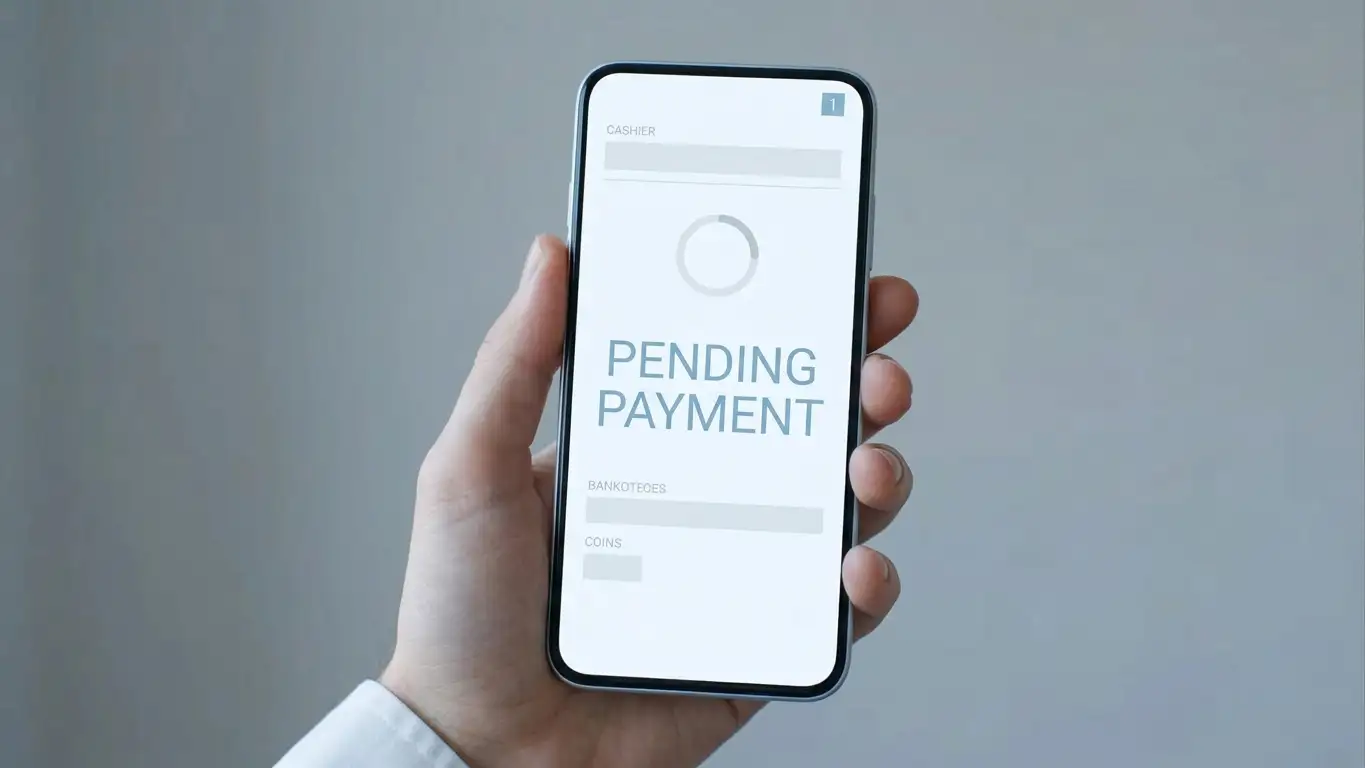
The withdrawal floor problem
Casino minimum withdrawals sit around A$20 to A$50. The free chip is A$10. Do the subtraction.
Turn a A$10 chip into A$18, clear the wagering, and you cannot withdraw it — the balance sits below the floor. Your only options are to keep playing until it crosses the minimum, or to abandon it. Most people keep playing, and the house edge does the rest. That mechanic recycles the majority of free-chip balances back to the operator without anyone breaking a single term, and it is the reason free chips are sustainable as a marketing spend. Nobody publishes it next to the offer, because “your winnings may be too small to remove” is a difficult line to fit into a banner.
Other ceilings apply further up. Per-transaction maximums commonly land between A$4,000 and A$10,000, some operators cap weekly payouts and pay large wins in instalments, and your own bank’s daily transfer limit sits on top of all of it — though at these amounts none of that will ever bind. PayID itself charges nothing, in either direction. The limits are ceilings on movement, not fees.
Verification, and why the first payout is the slow one
Your first withdrawal triggers identity verification. That is where the delay lives, not in the rail. Upload identification and any address or payment proof the day you register rather than the day you cash out, and a payout that would otherwise take a day drops to an hour or two. The casinos that behave properly verify in one to six hours regardless of deposit size. The ones that do not slow-walk small-account checks specifically to discourage low-budget players from ever reaching a payout — and that discrimination is measurable, since three of fourteen operators eliminated from testing were dropped precisely because A$10 deposits triggered five-day verification holds that A$200 deposits did not.
A legitimate hold always has a reason you can act on: unmet wagering, incomplete verification, or a withdrawal request pointing at an account you did not deposit from. A decent operator tells you which one and lets you fix it. The warning signs look different — new conditions appearing only at cashout, repeated requests for documents you already sent, support going quiet for days. Those are not verification. Those are stalling.
How long does a PayID withdrawal take at an Australian casino?
Once approved, minutes — the payout uses the same real-time rail as the deposit. Approval is the variable. Tested small-account averages ranged from eleven minutes at SkyCrown to two-to-four hours at Just Casino. Completing identity verification before your first cashout removes the largest single delay.
Can you withdraw to a different PayID than the one you deposited with?
Usually not, and many operators require the match explicitly. Payouts return to the verified account you deposited from as an anti-fraud measure, and the PayID resolves to a registered account name that has to match your verified identity. Register the PayID linked to the account you actually want paid.
Your bank has an opinion too

Australian banks block gambling on credit, and they block it thoroughly. Every major institution — CommBank, NAB, Westpac, ANZ, Bendigo, ING, ubank — declines credit-card gambling transactions at network level, identifying them through merchant category code 7995 and related merchant data. Since 11 June 2024, Australian-licensed wagering services have been required to block credit cards and credit-like products, digital currencies included. Banks also offer customer-activated gambling blocks in their apps, real-time alerts on high-cost transactions, and declines once a customer hits a set proportion of their credit limit.
None of that touches PayID. Debit cards, PayID, Osko, plain bank transfer and crypto sit outside the credit-card prohibition, because the restriction is about credit rather than about gambling payments generally. Your ten-dollar PayID transfer moves from your own funds on the New Payments Platform, and the bank treats it as what it is: an ordinary real-time payment to a payee you addressed by mobile number or email.
Which explains the market’s dependence on this one rail. POLi, the bank-transfer method that carried Australian casino deposits for years, shut down on 30 September 2023 with no direct replacement. Cards were already constrained. PayID inherited the traffic by default, and that is why it now appears on the cashier page of essentially every Australian-facing operator, usually at the top.
One consequence worth understanding before you deposit. Payments on this platform are real-time and effectively final — there is no card-style chargeback path back to a casino. If a dispute arises you are negotiating with the operator and, failing that, with its offshore regulator. That is a meaningfully weaker position than a card dispute, and it argues for depositing ten dollars at a new operator rather than a hundred, regardless of what the bonus threshold says.
Why did my bank block my casino deposit when PayID worked fine?
Because the block targets credit, not gambling. Australian banks decline credit-card gambling transactions through merchant category code 7995, and licensed wagering services have been required to block credit products since 11 June 2024. PayID moves your own money on the real-time payments rail, so it falls outside that restriction entirely.
Where Australian law sits on all of this

Online casino gaming is a prohibited service in Australia. The Interactive Gambling Act 2001, administered by the Australian Communications and Media Authority, makes it illegal for providers to offer online casino games to people in Australia — pokies, blackjack, roulette and live dealer among them — alongside in-play sports betting, unlicensed sports betting and betting on lottery outcomes. Those services also cannot be advertised here, and cannot promote or offer credit for online betting.
Note the direction of that prohibition. It binds providers, not players. No Australian is committing an offence by opening an account and spinning a pokie; the legal exposure sits entirely with the operator, which is why every operator serving this market is licensed somewhere else. Curaçao and Anjouan account for all the names above. Neither regulator offers the recourse a domestic licence would, and both are considerably more accommodating about bonus terms than a local regulator would be.
So the honest answer to “which Australian-licensed casino gives a A$10 no-deposit chip” is: none, and none can. Australian licences do exist for online gambling — the ACMA maintains a public register of licensed interactive wagering providers, most of them licensed through the Northern Territory — but those licences cover sports and race betting only. A licensed wagering operator cannot lawfully offer you pokies, so it has no casino chip to hand out. The licence exists; the product does not. That gap is the entire reason the offshore market serves Australian casino players.
Enforcement is active and increasing. ACMA regularly requests that Australian internet providers block illegal gambling services and their affiliate marketing sites; the batch reported in July 2026 covered Zizobet, KingAUD, Lucky Vibe, Daily Spins, Gambiva and Lightning-bet.com, the last of which was imitating a licensed operator’s brand. Since the 2017 amendments, more than 220 online gambling services have withdrawn from the Australian market, and ACMA can refer directors and principals of offending companies to the Australian Border Force.
The bigger change is scheduled rather than current. Parliament passed the Interactive Gambling Amendment (Gambling Reform) Bill on 19 August 2026, and most of it commences on 1 January 2027. Among the measures: restrictions on gambling advertising across television, radio, online and sports venues; a global opt-out register for gambling advertising; a ban on paying staff or affiliates commissions based on customer activity; stronger takedown powers over both advertisements and illegal services; a strengthened National Self-Exclusion Register. One provision bears directly on the offers on this page — restrictions on directly marketing inducements to new account holders during their first fourteen days, to anyone who left BetStop within the previous three months, and to any customer identified as at risk of gambling harm. Sign-up chips are inducements. How they can be advertised to Australians changes at the start of next year.
Is it illegal for an Australian to play at these casinos?
No. The Interactive Gambling Act 2001 prohibits providers from offering online casino services to Australians, but it creates no offence for the player. That is why every operator serving this market holds an offshore licence from Curaçao or Anjouan. Your legal risk is nil; your consumer recourse is limited.
How this list was put together
Operator selection came down to one question asked repeatedly: does a A$10 PayID transfer complete, credit and behave normally afterwards. That means real transfers from a verified Australian bank account across separate days, not a reading of the cashier page. Any operator where a single advertised A$10 deposit failed across three attempts came off the list — silent rejection of a published minimum was the most common disqualifier, accounting for most of the fourteen operators dropped from an initial two dozen.
The bonus-trigger audit ran separately, depositing A$10, A$15, A$20 and A$30 in sequence and recording which amount actually attached the welcome offer. That is the step nobody else performs, and it produced the two-six-two split in the table above. Withdrawal timing was measured on small balances specifically — deposit A$10, clear eligibility, request a payout, time it — then repeated on a A$200 account to check whether the queue treats them differently. Operators where small-account payouts ran more than twice the large-account average were marked down. Identity verification speed was timed the same way, and bank compatibility was checked across CommBank, Westpac, ANZ, NAB, ING, Macquarie and UBank.
Free-chip offers were assessed on the four markers that predict whether a chip converts to cash: wagering under forty times, at least seven days to clear, a ceiling above fifty dollars, and disclosed game weighting. Newness was deliberately not weighted. Crownslots launched in late 2025 with A$10 PayID minimums built in from the start rather than retrofitted, and it earns its place on merit — established parent-group infrastructure, transparent thirty-five-times terms, one real weakness in thin overnight support between 11pm and 7am. But a recent launch date tells a ten-dollar player nothing useful on its own, and plenty of new brands treat small deposits worse than established ones precisely because they are still learning what fraud looks like.
Playing ten dollars without turning it into a habit
Ten dollars is a good amount to lose and a poor amount to win. That asymmetry is the point of the offer, and it is worth holding onto when the balance runs to A$180 and the ceiling suddenly feels like an insult rather than a term you agreed to.
Set a deposit limit in the cashier before you play, not after a losing session. Most operators on this page offer them, and the ones that make them hard to find are telling you something. If gambling has stopped feeling like a choice, BetStop — the National Self-Exclusion Register — lets you exclude yourself from every Australian-licensed online and phone wagering service in one step at betstop.gov.au. It does not reach offshore casinos, which is a real gap, but the operators above will honour a self-exclusion request made directly to their support team, and asking for one costs nothing.
Free, confidential help is available every day of the year through the National Gambling Helpline on 1800 858 858, and Gambling Help Online runs free chat and email counselling around the clock. Eighteen and over, and a A$10 chip is entertainment spending, not a strategy.
No Deposit Bonus Casinos Australia 2026 — PayID Offers
Content created by the «PokiePay» team